
Therapy speak has plagued the world of politics for decades. It’s creating a scary world where politicians manipulate people; citizens are belittled and victimized, and problems never get solved.

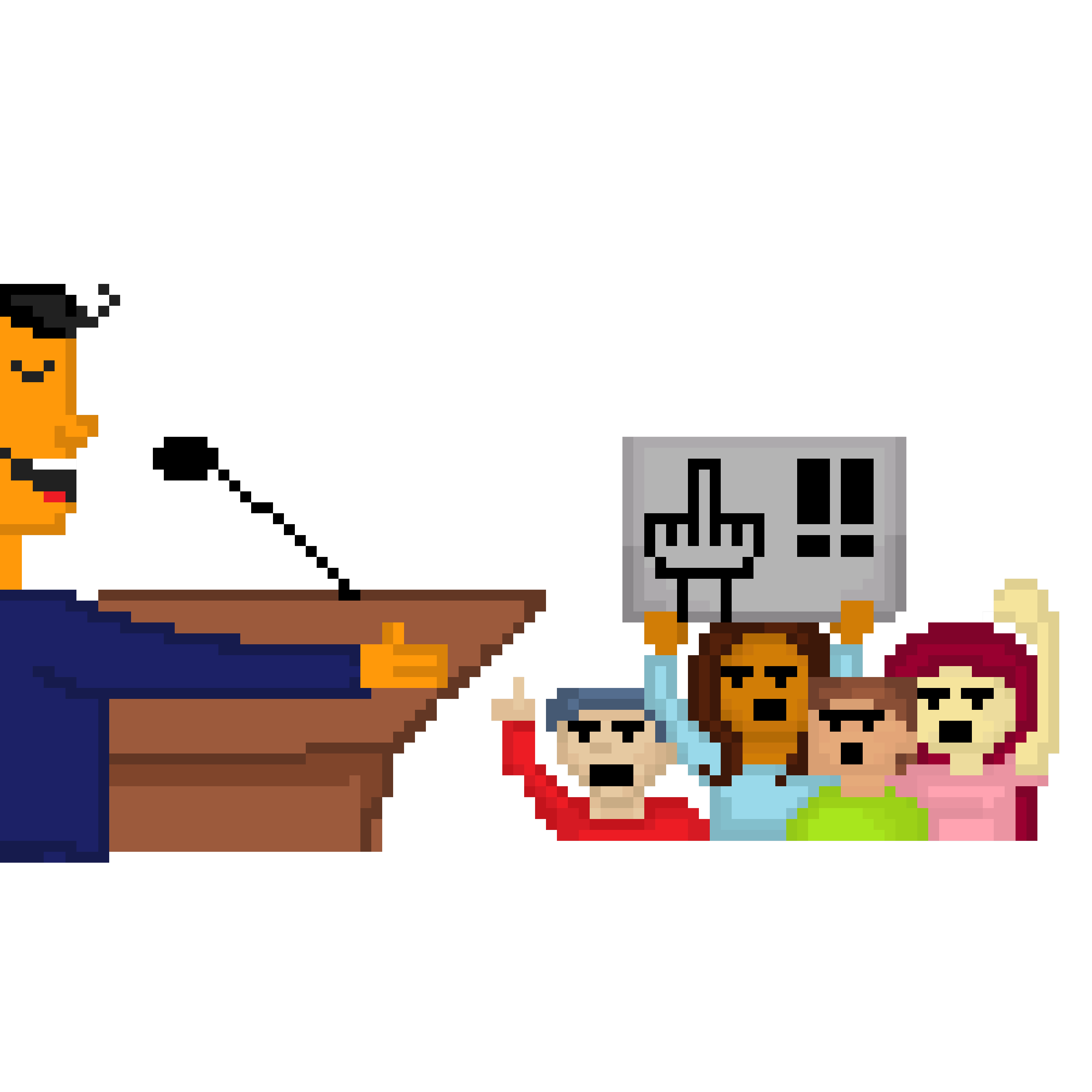
I definitely feel your pain, guys.
Wait, is this moving too fast? Politics? Therapy speak? If you’re confused, don’t stress. I’ll explain. Sit back, relax, and scroll down.
First, to understand therapy rhetoric we must define regular rhetoric.
Rhetoric
is the word for the symbols, language, speech patterns, and rational that make up, well, just about everything. This is the stuff that mediates reality for us. From news articles to movies to books to artwork to Insta posts to our conversations, rhetoric lies. It’s everywhere; unavoidable, and persuades us to see everything in a specific way-- whether that influence is concious or not.
Rhetoric decidres how you think, feel and act— even if you don’t know it.
Even this definition is influenced by rhetoric. The font used. The words chosen. The colors here.

Therapy rhetoric is a subgenre of regular rhetoric. This subgenre emerged nearly 200 years ago. It was very very different back then than it is today. Please take a look into the history of therapy rhetoric on this page
Therapy speak (I'll say this occasionally as shorthand) has a unique function and purpose. There are a couple of different traits it has that differientate it from plain rhetoric.
Here are all the things therapy speak broadly does!
One of therapy rhetoric's primary focus is feelings. This means more than one thing.
This rhetoric makes nearly everything about emotions. Of course there are exceptions. But in therapy it's a common expression to say something along the lines of 'you can only control how you react' and not the situation at hand.
This can also mean that therapy rhetoric comforts. One of it's primary uses is to provide validation and support in bad situations. If you've been to therapy, you know this.
Here are all the things therapy speak does in politics!
Scholar on therapy rhetoric, Dana L. Cloud, says therapy rhetoric "locates the source and solution of social problems in the individual pysche"
Therapy rhetoric reframes political structural problems as personal problems.
Therapy rhetoric reframes political suffering as emotional suffering.
Therapy rhetoric reframes solutions as individual attitude changes
When political issues are framed as emotional issues the public is encouraged to: manage their feelings, create resilience, practice self-care, adjust expecatations, or "heal", "cope", and "move on" rather than protest, or demand change.
Therapy rhetoric individualizes.
One-on-one therapy is about the person in the session. Other people or society writ large don't matter there. In her book The Art of Thinking for Yourself Reames defines this difference as individualism (the individual) and structeralism (groups of people that shape the larger systems).
Hover your mouse over the word below
In a therapist's office with a professional, this kind of language can be nice. But when it's coming from a greasy politican on a podium as they address a country's issues, these words are far less effective, and far more avoidant and overly comforting.
But wait, that example right up there doesn't sound all that bad. Trust me, it is. Or don't trust me, and check out the content below for some deeper examples.
Okay. So now you know what therapy rhetoric is, and you've seen it play out (albeit, exaggeratedly). So who cares?
You do! Or you should. Look, it's really simple. You don't have to go change the world with this info. You honestly don't even need to get up off the couch. With everything you've witnessed here, you've become a therapy-rhetoric super soldier. You can now detect any form of this B.S in the world of politics. While you can't actually change the appearance of these situations, you can learn how to navigate them. Maybe even help a few other peopel out too.